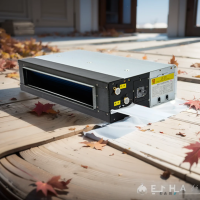
Energy audits are crucial for identifying opportunities to improve energy efficiency in commercial buildings. Fan coil units (FCUs) play a significant role in these audits by offering insights into how heating and cooling systems
Energy audits are crucial for identifying opportunities to improve energy efficiency in commercial buildings.
Fan coil units (FCUs) play a significant role in these audits by offering insights into how heating and cooling systems can be optimized. Here’s how FCUs contribute to energy audits and help enhance building performance.
1. Evaluating System Efficiency
During an energy audit, FCUs are assessed for their efficiency in heating and cooling. Auditors examine how well the units perform in different conditions. High-efficiency FCUs can significantly reduce energy consumption, making them a key focus for improving overall building efficiency.
2. Identifying Energy Waste
FCUs can reveal areas of energy waste in a building. Inefficient or poorly maintained units often consume more energy than necessary. Auditors use FCUs to pinpoint inefficiencies and suggest upgrades or repairs to minimize energy waste and improve cost-effectiveness.
3. Analyzing Temperature Control
Fan coil units provide precise temperature control in commercial spaces. During an energy audit, auditors analyze how effectively FCUs maintain desired temperatures. Ineffective temperature control can lead to energy overuse, so optimizing FCU performance is essential for reducing energy costs.
4. Checking for Proper Maintenance
Proper maintenance is vital for FCUs to function efficiently. Auditors review the maintenance records and current condition of FCUs. Regular maintenance ensures that the units operate at peak efficiency, reducing the risk of energy losses and extending their lifespan.
5. Assessing Zoning Efficiency
FCUs enable zoning in commercial buildings, allowing for targeted heating and cooling. Auditors evaluate how well zoning is implemented and whether FCUs are effectively controlling different areas. Efficient zoning reduces unnecessary energy use and enhances overall system performance.
6. Evaluating Integration with Building Management Systems
Modern FCUs often integrate with building management systems (BMS). Auditors assess how well FCUs communicate with the BMS and whether they are being utilized to their full potential. Effective integration allows for better control and optimization of energy use across the building.
7. Reviewing Energy Savings Potential
Energy audits use FCUs to estimate potential energy savings from upgrades or replacements. Auditors calculate how improvements in FCU efficiency can contribute to overall energy savings. This analysis helps building owners make informed decisions about investing in energy-efficient technologies.
8. Recommending Upgrades and Replacements
Based on the audit findings, recommendations for FCU upgrades or replacements are made. Newer models with advanced features can offer significant energy savings. Auditors provide insights into which upgrades will yield the best return on investment and improve energy performance.
Conclusion
Fan coil units play a vital role in energy audits for commercial buildings by providing key data on system efficiency, energy waste, and temperature control. Through careful evaluation of FCUs, auditors can identify opportunities for improvement, recommend upgrades, and enhance overall energy performance. By optimizing FCUs, building owners can achieve significant energy savings, lower operational costs, and contribute to a more sustainable environment.